TIPS & ADVICE
JUN 11, 2026
5 min read
By Carpenters
Mood Zones: How to Create Different Emotional Spaces at Home
Learn how to create mood zones in your home using colour, lighting, textures, and thoughtful design to foster relaxation, productivity, and connection.

Key Takeaways
- Mood zones personalise your space emotionally – From calming corners to energising workspaces, designing with emotion in mind helps every area serve a distinct purpose.
- Colour, lighting, and texture set the tone – Muted hues and soft textures promote serenity, while bold colours and bright lighting enhance focus and motivation.
- Transitional spaces matter – Hallways and entryways can smoothly guide emotional shifts, creating a cohesive flow throughout your home.
Introduction
Every home tells a story, and in Singapore’s compact urban spaces, that story often unfolds through thoughtful and creative design. One of the most exciting trends in residential interior design today is mood zoning—the practice of creating different emotional experiences within the same home.
Whether you're seeking a peaceful retreat or an energising workspace, well-designed mood zones can transform the way you live.
Here’s how to use mood zones to your advantage.
1. Calm Corners: Creating a Sense of Serenity
Everyone needs a place to unwind, and calm corners provide the perfect sanctuary for rest and reflection. Whether it’s a bedroom, a reading nook, or a quiet seat by the window, these spaces should encourage relaxation.
An experienced interior designer may recommend muted colours such as dusty blue, sage green, or soft grey to establish a soothing atmosphere. Pair these shades with plush textures like faux fur throws, soft cushions, or thick rugs for added comfort.
Lighting should remain warm and gentle rather than harsh, while diffusers with calming scents such as lavender or sandalwood can further enhance the experience. Furniture crafted from light-toned wood also helps introduce a natural, tranquil feel.
2. Energising Areas: Boosting Focus and Motivation
For those working or studying from home, creating an energising environment is essential. Your workspace should encourage concentration and creativity from the moment you sit down.
Vibrant colours such as sunny yellow, lively orange, or refreshing green can stimulate energy and focus. Combine these with bright, even lighting—ideally plenty of natural daylight—and ergonomic furniture like height-adjustable desks.
Motivational artwork, vision boards, and organised cable management can further reduce distractions and create a workspace that feels inspiring and efficient.
3. Social Zones: Designing for Connection
Living and dining areas naturally become gathering spaces where conversations unfold and memories are made. Social mood zones should therefore feel inviting, warm, and comfortable.
Consider using neutral tones like beige, terracotta, or taupe as a foundation, then layer different lighting sources—from statement pendants to ambient wall lights—to create depth and flexibility.
Round dining tables encourage interaction, while open shelving filled with books, keepsakes, and decorative objects provides natural conversation starters. Whether you're entertaining guests or enjoying coffee with family, thoughtfully designed interiors in Singapore should encourage people to stay and connect.
4. Transitional Spaces: Blending Energy Between Zones
Hallways, corridors, and entryways are often overlooked, yet they play an important role in guiding the emotional journey through your home.
Textured walls, patterned flooring, or carefully placed indoor plants can create subtle transitions between different moods. Similarly, adjusting lighting—from a bright foyer to a softly lit bedroom corridor—helps prepare both mind and body for the change in atmosphere.
These understated design choices create continuity and make the overall home feel intentional and harmonious.
Creating distinct emotional experiences through mood zones doesn’t require a large home. With thoughtful planning and creative design, even a compact HDB flat can support spaces for relaxation, productivity, and connection.
Whether you’re embarking on a full renovation or simply refreshing a single room, working with professionals experienced in residential interior design can help bring your vision to life.
Looking to transform your space? Our team of trusted designers can help you achieve the perfect balance of style and functionality. After all, the best homes don’t just look beautiful—they make you feel at home too.
Contact us today to learn more!
Table of Contents
You Might Also Like

Platform Bed Design Singapore: Storage Beds and Headboard Planning
OCT 31, 2026

Bungalow Interior Design Singapore: Planning Large Homes
OCT 30, 2026
Condo Living Room Design Singapore: Layouts for Entertaining
OCT 29, 2026

BTO Renovation Sequence Singapore: What to Do First
OCT 28, 2026

HDB Maisonette Renovation Singapore: Designing Two Levels
OCT 27, 2026

Meeting Room Design Singapore: Layouts, Acoustics and Technology
OCT 26, 2026

Quartz vs Solid Surface Countertop Singapore: Which to Pick?
OCT 25, 2026

Interior Designer vs Contractor Singapore: Key Differences
OCT 23, 2026
Japandi Interior Design Singapore: Warm Minimalism for Homes
OCT 22, 2026
Nursery Design Singapore: Planning a Safe and Practical Baby Room
OCT 21, 2026
Shoe Cabinet Design Singapore: Storage for Every Household
OCT 20, 2026
Semi-Detached House Interior Design Singapore: Space Planning
OCT 19, 2026
Condo Bathroom Renovation Singapore: Waterproofing and Layout
OCT 18, 2026
BTO Renovation Budget Planning Singapore: Setting Priorities
OCT 17, 2026

Executive Apartment Renovation Singapore: Planning Large Layouts
OCT 16, 2026
Office Reception Design Singapore: Planning First Impressions
OCT 15, 2026
Vinyl Flooring Singapore: Pros, Cons and Where It Works
OCT 14, 2026
How to Choose an Interior Designer Singapore: Questions to Ask
OCT 13, 2026
Scandinavian Interior Design Singapore: Adapting to Our Climate
OCT 12, 2026
Kids Bedroom Design Singapore: Rooms That Grow with Children
OCT 11, 2026
TV Console Design Singapore: Planning Feature Walls and Cabling
OCT 10, 2026
Terrace House Renovation Singapore: Narrow and Deep Layouts
OCT 09, 2026
Condo Renovation Approval Singapore: Confirm with Management
OCT 08, 2026
BTO Defects Check Singapore: What to Inspect at Key Collection
OCT 07, 2026

2-Room HDB Renovation Singapore: Making Small Flats Work
OCT 06, 2026
Interior Design Consultation Singapore: What to Prepare
SEP 26, 2026
Kitchen Carpentry Singapore: Cabinet Planning Checklist
SEP 25, 2026
Built-In Wardrobe Singapore: Planning Storage That Works
SEP 24, 2026

Retail Interior Design Singapore: Customer Flow Planning
SEP 23, 2026
Office Interior Design Singapore: Workplace Planning Guide
SEP 22, 2026
Landed House Interior Design Singapore: Renovation Planning
SEP 21, 2026

Condo Kitchen Renovation Singapore: Layout and Storage Guide
SEP 20, 2026

Resale Flat Renovation Singapore: Family Storage Planning
SEP 19, 2026
BTO Renovation Singapore: What to Plan Before Key Collection
SEP 18, 2026
5-Room HDB Renovation Singapore: Planning Checklist
SEP 17, 2026
3-Room HDB Renovation Singapore: Space Planning Guide
SEP 16, 2026
4-Room HDB Interior Design for a Practical Family Home
SEP 16, 2026

Condo Renovation Singapore: Planning Guide
SEP 15, 2026
Commercial Fit Out Guide for Singapore Businesses
SEP 14, 2026
Why Blum Hinges Change How Cabinets Feel
SEP 12, 2026
Design Build Comparison for Better Renovations
SEP 10, 2026
10 Small Apartment Storage Examples That Work
SEP 08, 2026
Renovation Quotation Analysis Made Clear
SEP 06, 2026
How to Inspect Carpentry Quality Before Handover
SEP 04, 2026

HDB Renovation Noise Rules Guide for Homeowners
SEP 02, 2026
Office Renovation That Makes Work Flow Better
AUG 31, 2026

Renovation Permit Questions Singapore Owners Ask
AUG 29, 2026
Modular Versus Custom Cabinetry: Which Fits?
AUG 27, 2026
How to Avoid Renovation Delays in Singapore
AUG 25, 2026

Renovation Handover Checklist Guide for Homeowners
AUG 23, 2026
How Long Do Renovations Take in Singapore?
AUG 21, 2026
Laminate Versus Veneer Cabinets Compared
AUG 19, 2026
Can HDB Walls Be Removed? What to Check First
AUG 17, 2026
12 Best Storage Ideas for Families at Home
AUG 15, 2026

How to Plan a Renovation Timeline That Works
AUG 13, 2026

ID Firm Versus Contractor: Which Fits Your Renovation?
AUG 11, 2026

How to Budget Home Renovation Without Regrets
AUG 09, 2026

What Is a Renovation Deposit? A Clear Guide
AUG 07, 2026
How to Choose Cabinet Materials for Your Home
AUG 05, 2026

10 Common Renovation Budget Mistakes to Avoid
AUG 03, 2026

First Time Renovator Guide for a Confident Home
AUG 01, 2026

HDB BCA Renovation Requirements Explained
JUL 30, 2026
Retail Interior Design Singapore That Works Hard
JUL 28, 2026
Landed House Renovation Singapore Done Right
JUL 27, 2026
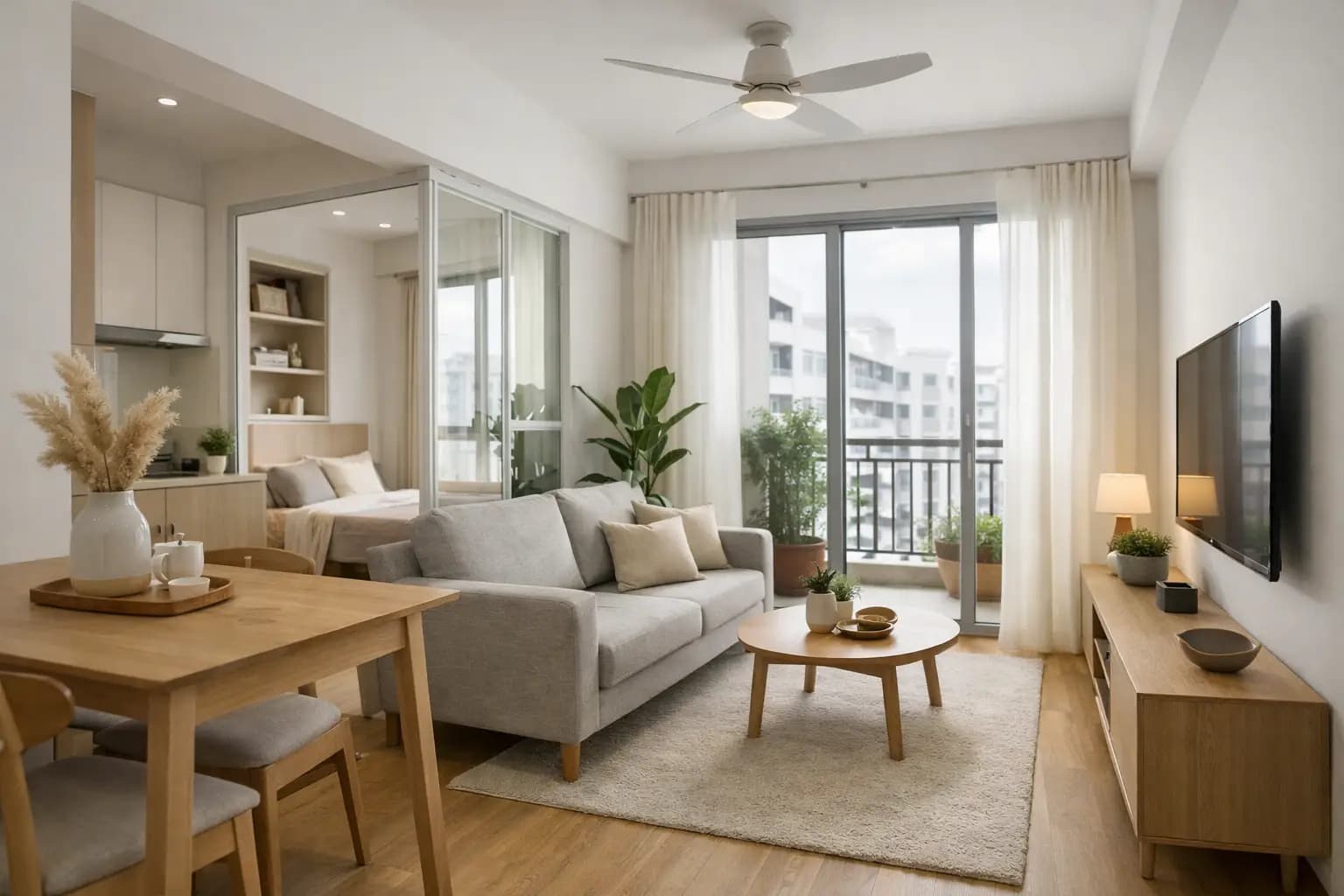
Small HDB Space Planning That Feels Spacious
JUL 26, 2026
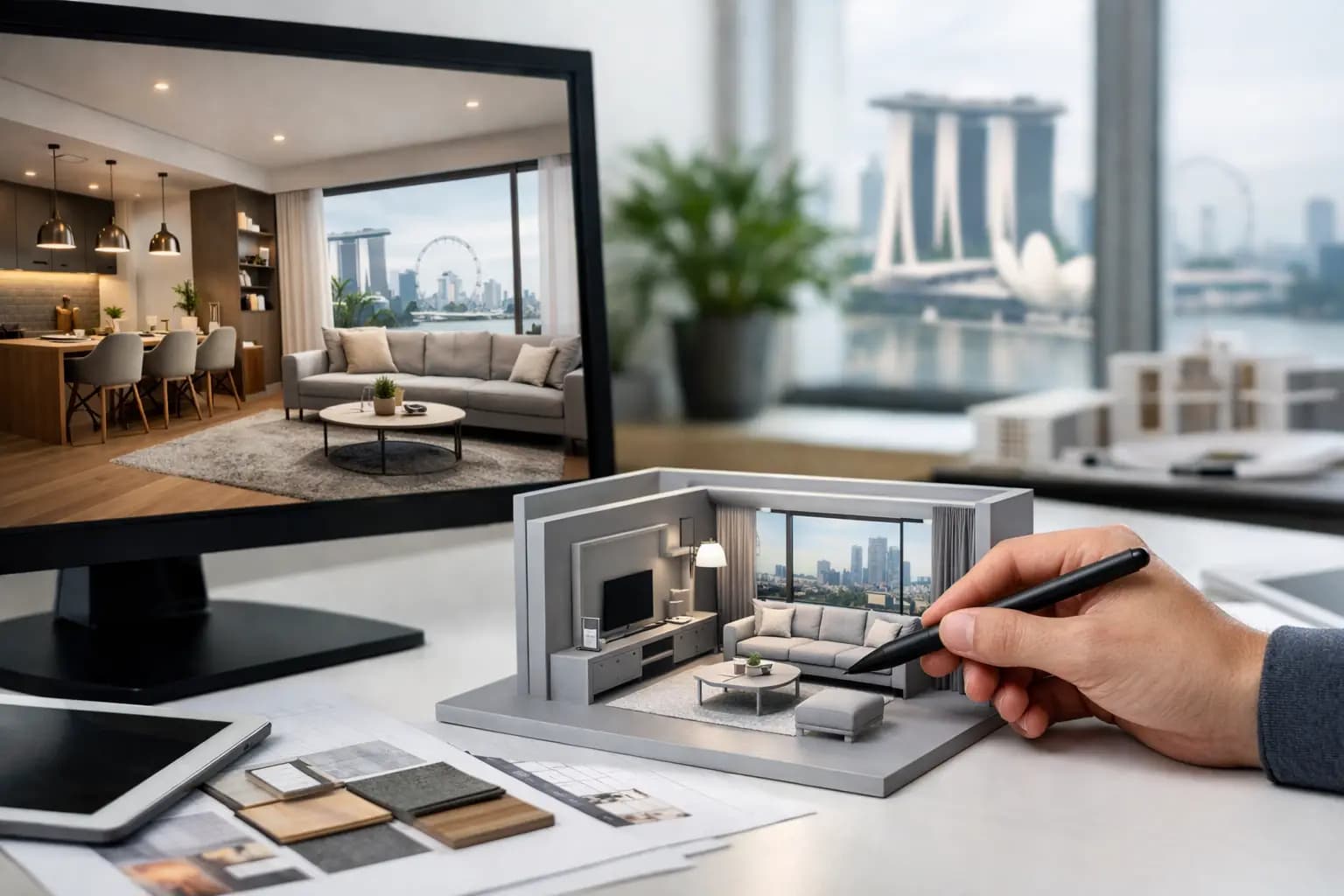
3D Interior Design Visualization Singapore
JUL 25, 2026
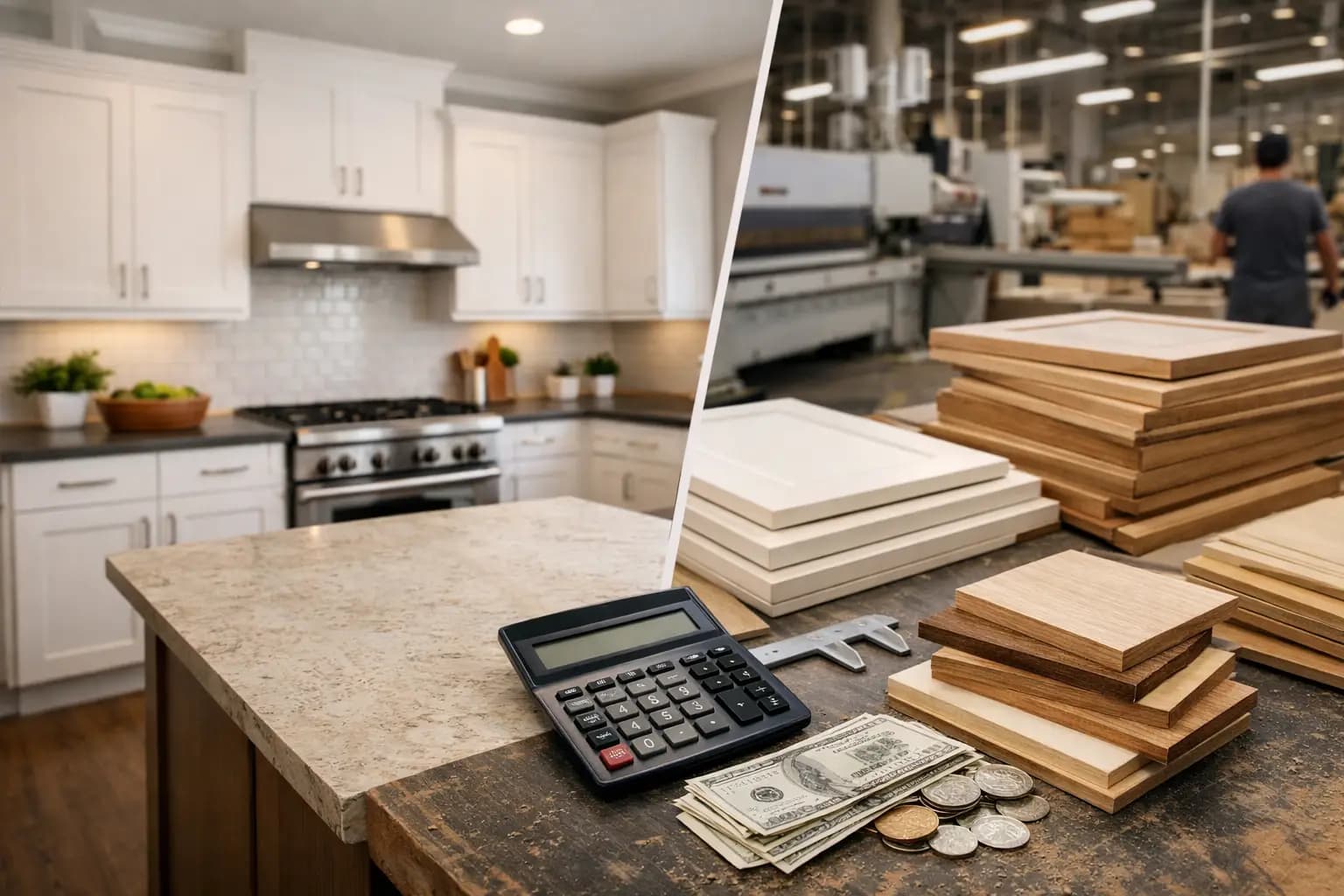
Kitchen Cabinet Direct Factory Price Explained
JUL 24, 2026
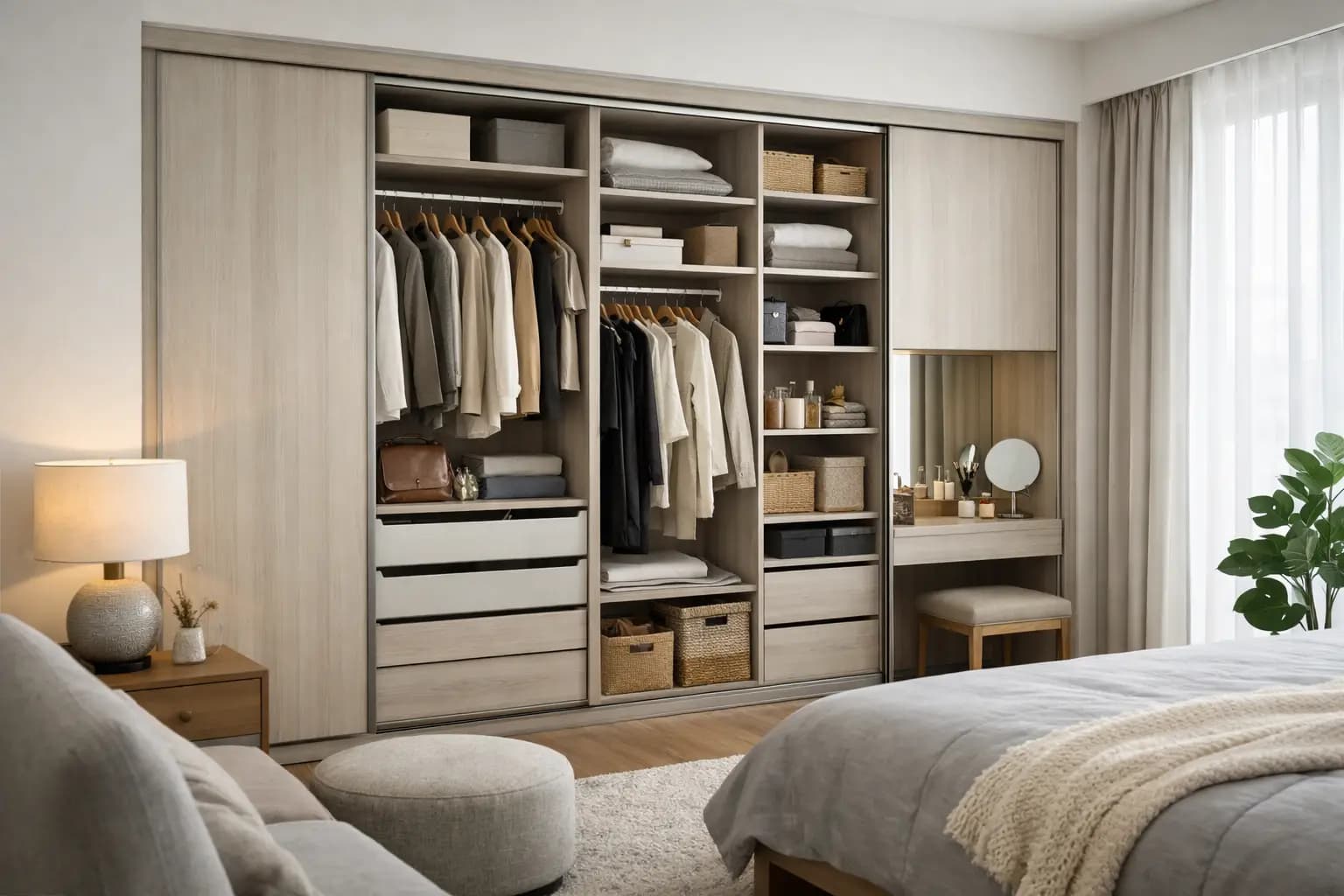
Built In Wardrobe Singapore for Smarter Homes
JUL 23, 2026

Choosing a CaseTrust Interior Design Firm
JUL 22, 2026
How Direct Factory Pricing Shapes Renovation Value
JUL 21, 2026
HDB Interior Design That Makes Every Foot Count
JUL 20, 2026
Interior Design Singapore Homes That Work
JUL 19, 2026

Choose a Renovation Contractor in Singapore
JUL 18, 2026
Condo Renovation Singapore Plans That Work
JUL 17, 2026
Custom Carpentry for Singapore Homes That Works
JUL 16, 2026
HDB Renovation Plans That Make Small Homes Work
JUL 16, 2026

Designing for Hybrid Work: Flexible Offices Built for Change
JUN 11, 2026

Designing for Intergenerational Living in a 4-Room HDB Flat
JUN 11, 2026

Everyday Opulence: Functional Luxuries That Make a Big Impact in Singapore Homes
JUN 11, 2026
How to Future-Proof Your HDB for Ageing in Place
JUN 11, 2026
Mood Zones: How to Create Different Emotional Spaces at Home
JUN 11, 2026

Open-Concept HDB Design: Wall Hacking Guide
JUN 11, 2026

Quiet Please: Soundproofing Solutions for Busy Commercial Settings
JUN 11, 2026

The Art of Vertical Living: Designing Upwards in Small Singapore Spaces
JUN 11, 2026

Open-Concept HDBs: Pros and Cons
FEB 09, 2026
HDB Kitchen Hacks: Designing for the Singaporean Home Chef
FEB 09, 2026